Buy gisd.eu ?
We are moving the project
gisd.eu .
Are you interested in purchasing the domain
gisd.eu ?
domain@kv-gmbh.de · 0541-91531010
Buy gisd.eu ?
How does data storage work in the brain?
Data storage in the brain occurs through a process called synaptic plasticity. When we learn something new or experience something, the connections between neurons, called synapses, are strengthened. This allows for the formation of new memories and the storage of information. Additionally, the brain can also reorganize and modify existing connections to accommodate new information. This process of synaptic plasticity enables the brain to store and retrieve vast amounts of information, forming the basis of our memory and cognitive abilities. **
What is the connection between boxing and brain damage?
Boxing is a sport that involves repeated blows to the head, which can result in traumatic brain injuries such as concussions. These repeated head injuries can lead to a condition known as chronic traumatic encephalopathy (CTE), which is a degenerative brain disease. Studies have shown that professional boxers are at a higher risk of developing CTE due to the cumulative impact of head trauma over time. Therefore, the connection between boxing and brain damage is significant, highlighting the importance of proper safety measures and regulations in combat sports. **


Similar search terms for Brain
Top-Angebote
Products related to Brain:
-
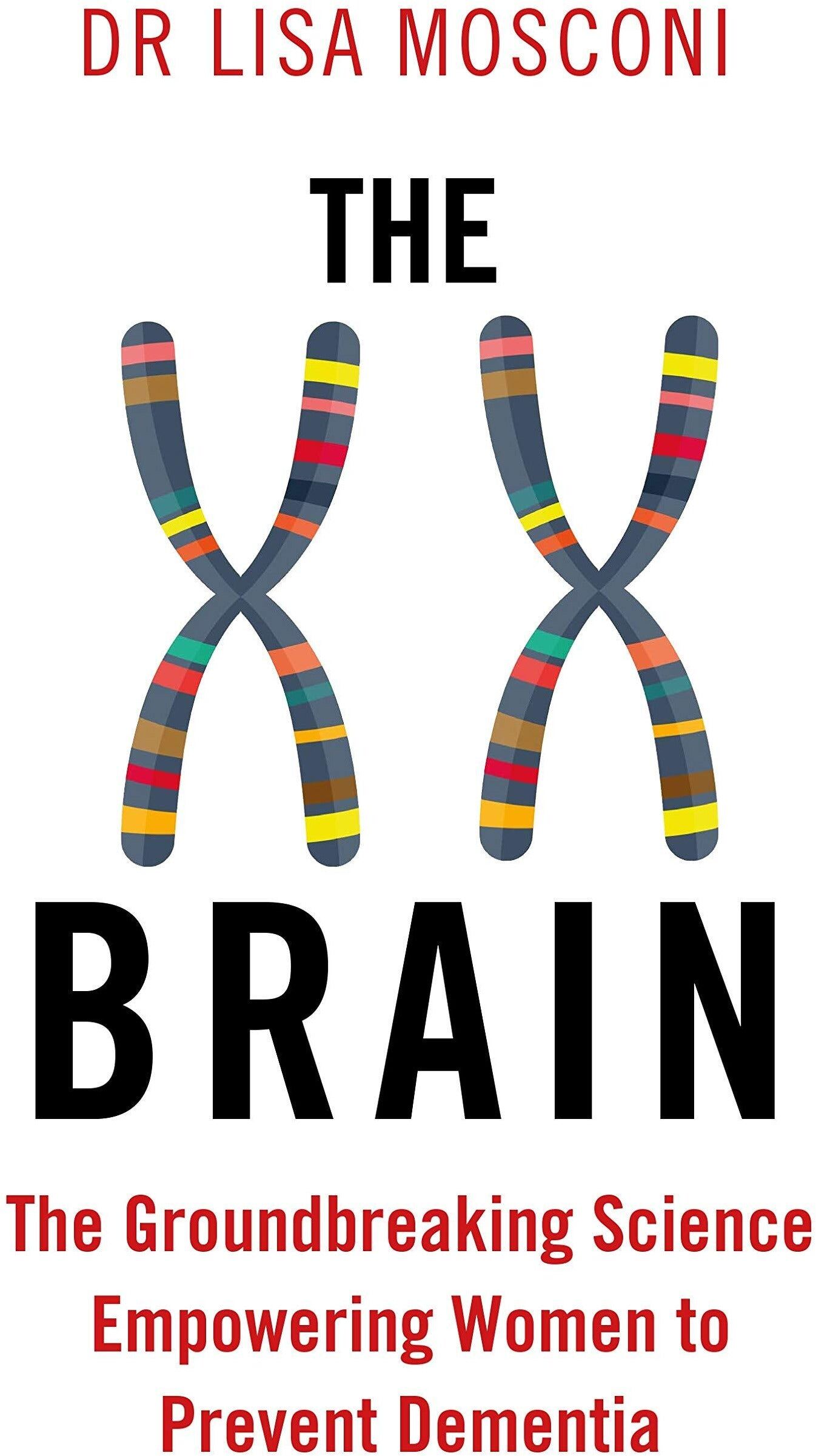
Allen & Unwin The XX Brain, Lisa Mosconi, Nervous System, Brain ScienceThe XX Brain, Lisa Mosconi, Nervous System, Brain Science Women are far more likely than men to suffer from anxiety, depression, migraines, brain injuries, strokes and Alzheimer's disease. But, until recently, scientific research has focused on 'bikini medicine,' assuming that women are essentially men with different reproductive organs. The XX Brain presents groundbreaking research showing that women's brains age distinctly from men's, due mostly to the decline of a key brain-protective hormone: estrogen. Taking on all aspects of women's health, including brain fog, memory lapses, depression, stress, insomnia, hormonal imbalances and the increased risk of dementia, Dr. Mosconi introduces cutting-edge, evidence-based methods for protecting the female brain, encompassing diet, stress reduction and sleep. She also examines the effectiveness of hormonal replacement therapy, addresses the perils of environmental toxins and explores the role of our microbiome. Luckily, it is never too late to take care of yourself2,59 £*Shipping: 1,99 £Secure redirect to the provider
-
Allen & Unwin The Menopause Brain & Brain Food 2 Books Set By Dr Lisa MosconiThe Menopause Brain & Brain Food How to Eat Smart and Sharpen Your Mind By Dr Lisa Mosconi 2 Books Collection Set: The Menopause Brain: Menopause and perimenopause are still baffling to most doctors, leaving patients exasperated as they grapple with symptoms ranging from hot flashes to insomnia to brain fog. As a leading neuroscientist and women's brain health specialist, Dr Mosconi unravels these mysteries by revealing how menopause doesn't just impact the ovaries - it's a hormonal show in which the brain takes centre stage.The decline of the hormone estrogen during menopause influences everything from body temperature to mood to memory, potentially paving the way for cognitive decline later in life. To conquer these challenges successfully, Dr. Mosconi brings us the latest approaches - explaining the role of cutting-edge hormone replacement therapies like 'designer estrogens,' hormonal contraception and key lifestyle changes encompassing diet, exercise and self-care. Brain Food: How to Eat Smart and Sharpen Your Mind: Brain Food uses cutting-edge research to highlight the connection between nutrition and our brain's health, busting through pseudoscience and demonstrating how we can all change our diet most effectively. Based partly on her own discoveries, and using emerging science, for example on the connection between the brain and the gut, Dr Lisa Mosconi, an expert in both neuroscience and nutrition, reveals the foods and drinks that can prevent dementia, stress, cognitive decline and memory loss - no matter how old we are.Innovative and timely, and with accompanying brain-boosting recipes and lists of what to eat and what to avoid, Brain Food provides the ultimate plan for maximizing our brain power. 9781838957490 / 97802413817799,95 £*Shipping: 2,99 £Secure redirect to the provider
-
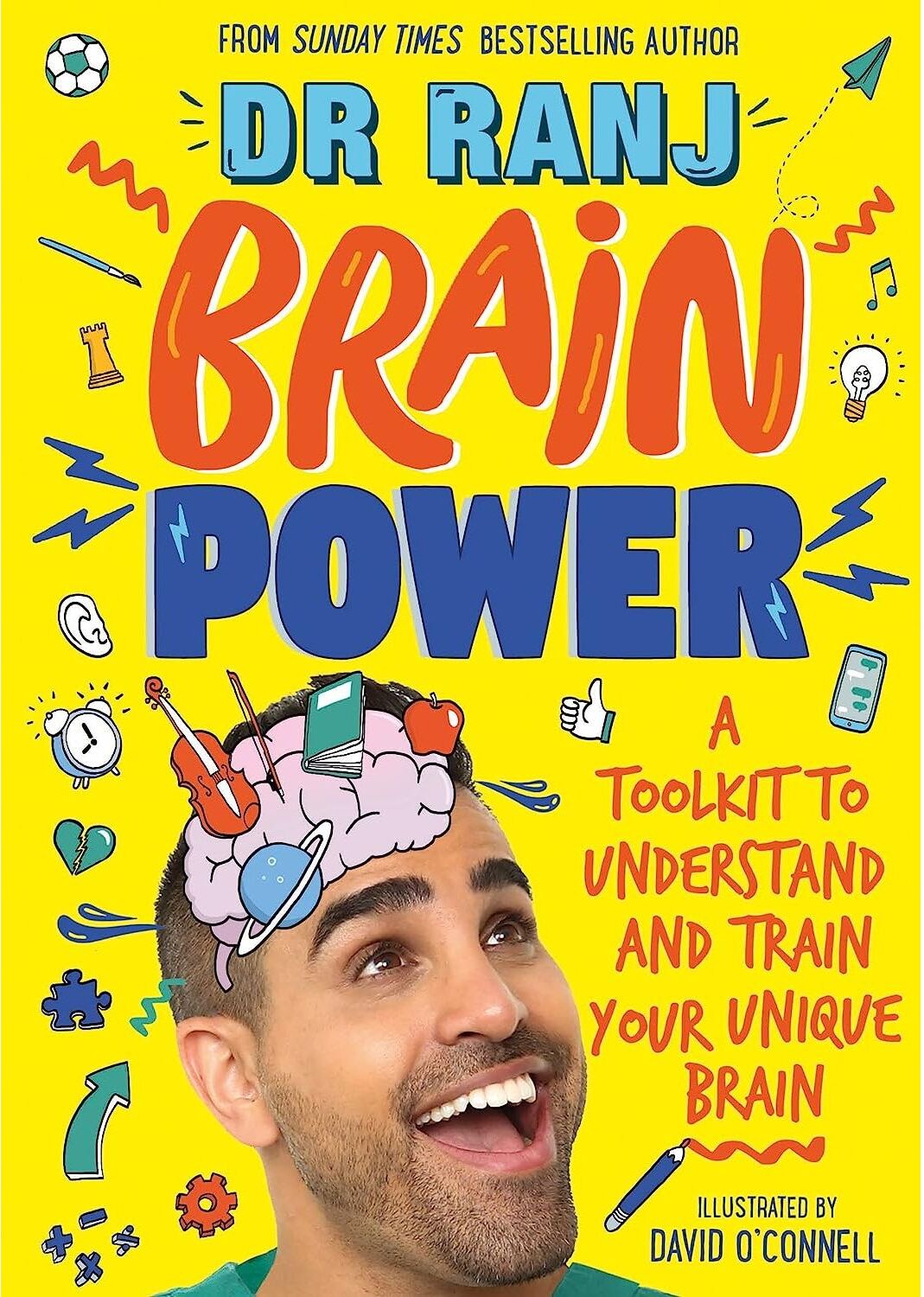
Wren & Rook Brain Power: A Toolkit to Understand and Train Your Unique Brain by Dr RanjDiscover how to train your brain and become the best you can be in this empowering and inclusive guide by the nation's favourite doctor, Dr Ranj.Brains don't look like much, do they? A touch of slime here, some squishy grey stuff there. But in fact, your brain is more powerful than any supercomputer, and it is completely fascinating. Have you ever wondered why you're left-handed? Or why you have dreams? Or what causes pins and needles?I'll tell you what else: your brain is completely unique. That's right: no one else has a brain quite like yours.So if you want to learn how to make the most of YOUR brain, this is the book for you. It doesn't just explain how the brain works. It'll teach you how to train your brain to get better at stuff you find difficult. It'll show you how different people think in different ways and why that makes each person so special. It'll help you keep your mind happy and healthy. Because when that brilliant brain of yours is in tip-top condition, you can be the BEST version of you.You'll discover:- Why some skills come to you more easily than others- How to cope with knockbacks and improve on the difficult stuff- Why we feel certain emotions and how to manage the difficult ones- How to keep your brain in top condition for learning- Why looking after your mind is the key to growing up happyIncluding insights from neurodiverse young people, the book also features bright two-colour illustrations from David O'Connell and dyslexia-friendly design. NHS paediatrician and Sunday Times bestselling author of How to Grow Up and Feel Amazing, Dr Ranj, is here to inspire ALL young readers to love themselves, however their brains work.4,49 £*Shipping: 1,99 £Secure redirect to the provider


-
What is the connection between osmosis and brain edema?
Osmosis is the movement of water across a semi-permeable membrane from an area of low solute concentration to an area of high solute concentration. Brain edema, on the other hand, is the accumulation of excess fluid in the brain tissue. The connection between osmosis and brain edema lies in the fact that osmosis plays a role in the movement of water into and out of the brain cells. When there is an imbalance of solutes inside and outside the brain cells, osmosis can cause water to move into the cells, leading to brain edema. This can occur in conditions such as trauma, stroke, or certain diseases where there is a disruption in the balance of solutes and water in the brain. **
-
Why is the brain not perfused during brain death?
During brain death, the brain is not perfused because the heart has stopped beating, leading to the cessation of blood flow to the brain. Without blood flow, the brain is deprived of oxygen and nutrients, leading to irreversible damage and ultimately, death of the brain tissue. This lack of perfusion also means that the brain is unable to carry out its essential functions, such as maintaining consciousness and regulating bodily functions. **
-
Brain or heart?
Both the brain and the heart are vital organs, but if I had to choose, I would say the brain. The brain is the control center of the body, responsible for processing information, making decisions, and controlling all bodily functions. Without the brain, the body would not be able to function. While the heart is essential for pumping blood and delivering oxygen to the body, the brain ultimately governs all of the body's functions. **
-
Can the brain be connected to a computer and can data be transferred from the PC to the brain?
Yes, it is possible to connect the brain to a computer through a process called brain-computer interface (BCI). This technology allows for the transfer of data between the brain and a computer, enabling the brain to control external devices or for external devices to provide sensory feedback to the brain. While the technology is still in its early stages, it has shown potential for applications in medical treatments, communication for individuals with disabilities, and even enhancing cognitive abilities. However, there are ethical and privacy concerns that need to be addressed as this technology continues to develop. **


What is the connection between the brain and bisexual individuals?
Bisexual individuals have been found to have different patterns of brain activity compared to heterosexual and homosexual individuals. Research using brain imaging techniques has shown that bisexual individuals have unique patterns of brain activation in response to sexual stimuli, suggesting that their brains may process sexual attraction differently. Additionally, studies have found differences in brain structure and connectivity in bisexual individuals, indicating that there may be a biological basis for sexual orientation. These findings suggest that there is a connection between the brain and bisexual individuals, and further research is needed to fully understand the neurological underpinnings of bisexuality. **
What is the connection between brain function and cognitive decline?
Brain function and cognitive decline are closely connected, as cognitive decline often results from changes in brain function. As we age, the brain undergoes natural changes, such as a decrease in the production of neurotransmitters and the formation of plaques and tangles. These changes can lead to a decline in cognitive abilities, such as memory, attention, and problem-solving skills. Additionally, certain conditions, such as Alzheimer's disease and other forms of dementia, can also cause significant cognitive decline by affecting brain function. Therefore, maintaining good brain function through activities like exercise, healthy eating, and mental stimulation can help reduce the risk of cognitive decline. **
Top-Angebote
Products related to Brain:
-
Penguin Dr. Lisa Mosconi Collection 3 Books Set (Brain Food, The XX Brain & The Menopause Brain)Dr. Lisa Mosconi Collection 3 Books Set (Brain Food, The XX Brain & The Menopause Brain): Brain Food Brain Food uses cutting-edge research to highlight the connection between nutrition and our brain's health, busting through pseudoscience and demonstrating how we can all change our diet most effectively. Based partly on her own discoveries, and using emerging science, for example on the connection between the brain and the gut, Dr Lisa Mosconi, an expert in both neuroscience and nutrition, reveals the foods and drinks that can prevent dementia, stress, cognitive decline and memory loss - no matter how old we are. The XX Brain The XX Brain presents groundbreaking research showing that women's brains age distinctly from men's, due mostly to the decline of a key brain-protective hormone: estrogen.Taking on all aspects of women's health, including brain fog, memory lapses, depression, stress, insomnia, hormonal imbalances and the increased risk of dementia, Dr. Mosconi introduces cutting-edge, evidence-based methods for protecting the female brain, encompassing diet, stress reduction and sleep. The Menopause Brain Menopause and perimenopause are still baffling to most doctors, leaving patients exasperated as they grapple with symptoms ranging from hot flashes to insomnia to brain fog. As a leading neuroscientist and women's brain health specialist, Dr Mosconi unravels these mysteries by revealing how menopause doesn't just impact the ovaries - it's a hormonal show in which the brain takes centre stage12,99 £*Shipping: 2,99 £Secure redirect to the provider
-
Various The XX Brain & Brain Food 2 Books Collection Set by Dr Lisa Mosconi – Women’s Brain Health CollectionDr Lisa Mosconi 2 Books Set - Brain Food & The XX Brain The XX Brain : The Groundbreaking Science Empowering Women to Prevent Dementia Women are far more likely than men to suffer from anxiety, depression, migraines, brain injuries, strokes and Alzheimer's disease. But, until recently, scientific research has focused on 'bikini medicine,' assuming that women are essentially men with different reproductive organs. The XX Brain presents groundbreaking research showing that women's brains age distinctly from men's, due mostly to the decline of a key brain-protective hormone: estrogen. Taking on all aspects of women's health, including brain fog, memory lapses, depression, stress, insomnia, hormonal imbalances and the increased risk of dementia, Dr. Mosconi introduces cutting-edge, evidence-based methods for protecting the female brain, encompassing diet, stress reduction and sleep. She also examines the effectiveness of hormonal replacement therapy, addresses the perils of environmental toxins and explores the role of our microbiome. Luckily, it is never too late to take care of yourself. Brain Food: How to Eat Smart and Sharpen Your Mind Your diet affects your body but it also affects your brain. Brain Food uses cutting-edge research to highlight the connection between nutrition and our brain's health, busting through pseudoscience and demonstrating how we can all change our diet most effectively. Based partly on her own discoveries, and using emerging science, for example on the connection between the brain and the gut, Dr Lisa Mosconi, an expert in both neuroscience and nutrition, reveals the foods and drinks that can prevent dementia, stress, cognitive decline and memory loss - no matter how old we are. Innovative and timely, and with accompanying brain-boosting recipes and lists of what to eat and what to avoid, Brain Food provides the ultimate plan for maximizing our brain power.9,95 £*Shipping: 2,99 £Secure redirect to the provider
-
Allen & Unwin The XX Brain, Lisa Mosconi, Nervous System, Brain ScienceThe XX Brain, Lisa Mosconi, Nervous System, Brain Science Women are far more likely than men to suffer from anxiety, depression, migraines, brain injuries, strokes and Alzheimer's disease. But, until recently, scientific research has focused on 'bikini medicine,' assuming that women are essentially men with different reproductive organs. The XX Brain presents groundbreaking research showing that women's brains age distinctly from men's, due mostly to the decline of a key brain-protective hormone: estrogen. Taking on all aspects of women's health, including brain fog, memory lapses, depression, stress, insomnia, hormonal imbalances and the increased risk of dementia, Dr. Mosconi introduces cutting-edge, evidence-based methods for protecting the female brain, encompassing diet, stress reduction and sleep. She also examines the effectiveness of hormonal replacement therapy, addresses the perils of environmental toxins and explores the role of our microbiome. Luckily, it is never too late to take care of yourself2,59 £*Shipping: 1,99 £Secure redirect to the provider
-
Allen & Unwin The Menopause Brain & Brain Food 2 Books Set By Dr Lisa MosconiThe Menopause Brain & Brain Food How to Eat Smart and Sharpen Your Mind By Dr Lisa Mosconi 2 Books Collection Set: The Menopause Brain: Menopause and perimenopause are still baffling to most doctors, leaving patients exasperated as they grapple with symptoms ranging from hot flashes to insomnia to brain fog. As a leading neuroscientist and women's brain health specialist, Dr Mosconi unravels these mysteries by revealing how menopause doesn't just impact the ovaries - it's a hormonal show in which the brain takes centre stage.The decline of the hormone estrogen during menopause influences everything from body temperature to mood to memory, potentially paving the way for cognitive decline later in life. To conquer these challenges successfully, Dr. Mosconi brings us the latest approaches - explaining the role of cutting-edge hormone replacement therapies like 'designer estrogens,' hormonal contraception and key lifestyle changes encompassing diet, exercise and self-care. Brain Food: How to Eat Smart and Sharpen Your Mind: Brain Food uses cutting-edge research to highlight the connection between nutrition and our brain's health, busting through pseudoscience and demonstrating how we can all change our diet most effectively. Based partly on her own discoveries, and using emerging science, for example on the connection between the brain and the gut, Dr Lisa Mosconi, an expert in both neuroscience and nutrition, reveals the foods and drinks that can prevent dementia, stress, cognitive decline and memory loss - no matter how old we are.Innovative and timely, and with accompanying brain-boosting recipes and lists of what to eat and what to avoid, Brain Food provides the ultimate plan for maximizing our brain power. 9781838957490 / 97802413817799,95 £*Shipping: 2,99 £Secure redirect to the provider
-
How does data storage work in the brain?
Data storage in the brain occurs through a process called synaptic plasticity. When we learn something new or experience something, the connections between neurons, called synapses, are strengthened. This allows for the formation of new memories and the storage of information. Additionally, the brain can also reorganize and modify existing connections to accommodate new information. This process of synaptic plasticity enables the brain to store and retrieve vast amounts of information, forming the basis of our memory and cognitive abilities. **
-
What is the connection between boxing and brain damage?
Boxing is a sport that involves repeated blows to the head, which can result in traumatic brain injuries such as concussions. These repeated head injuries can lead to a condition known as chronic traumatic encephalopathy (CTE), which is a degenerative brain disease. Studies have shown that professional boxers are at a higher risk of developing CTE due to the cumulative impact of head trauma over time. Therefore, the connection between boxing and brain damage is significant, highlighting the importance of proper safety measures and regulations in combat sports. **
-
What is the connection between osmosis and brain edema?
Osmosis is the movement of water across a semi-permeable membrane from an area of low solute concentration to an area of high solute concentration. Brain edema, on the other hand, is the accumulation of excess fluid in the brain tissue. The connection between osmosis and brain edema lies in the fact that osmosis plays a role in the movement of water into and out of the brain cells. When there is an imbalance of solutes inside and outside the brain cells, osmosis can cause water to move into the cells, leading to brain edema. This can occur in conditions such as trauma, stroke, or certain diseases where there is a disruption in the balance of solutes and water in the brain. **
-
Why is the brain not perfused during brain death?
During brain death, the brain is not perfused because the heart has stopped beating, leading to the cessation of blood flow to the brain. Without blood flow, the brain is deprived of oxygen and nutrients, leading to irreversible damage and ultimately, death of the brain tissue. This lack of perfusion also means that the brain is unable to carry out its essential functions, such as maintaining consciousness and regulating bodily functions. **
Similar search terms for Brain
-
Wren & Rook Brain Power: A Toolkit to Understand and Train Your Unique Brain by Dr RanjDiscover how to train your brain and become the best you can be in this empowering and inclusive guide by the nation's favourite doctor, Dr Ranj.Brains don't look like much, do they? A touch of slime here, some squishy grey stuff there. But in fact, your brain is more powerful than any supercomputer, and it is completely fascinating. Have you ever wondered why you're left-handed? Or why you have dreams? Or what causes pins and needles?I'll tell you what else: your brain is completely unique. That's right: no one else has a brain quite like yours.So if you want to learn how to make the most of YOUR brain, this is the book for you. It doesn't just explain how the brain works. It'll teach you how to train your brain to get better at stuff you find difficult. It'll show you how different people think in different ways and why that makes each person so special. It'll help you keep your mind happy and healthy. Because when that brilliant brain of yours is in tip-top condition, you can be the BEST version of you.You'll discover:- Why some skills come to you more easily than others- How to cope with knockbacks and improve on the difficult stuff- Why we feel certain emotions and how to manage the difficult ones- How to keep your brain in top condition for learning- Why looking after your mind is the key to growing up happyIncluding insights from neurodiverse young people, the book also features bright two-colour illustrations from David O'Connell and dyslexia-friendly design. NHS paediatrician and Sunday Times bestselling author of How to Grow Up and Feel Amazing, Dr Ranj, is here to inspire ALL young readers to love themselves, however their brains work.4,49 £*Shipping: 1,99 £Secure redirect to the provider
-
ForAllApparel Mom Brain T Shirt Mauve 2XLThis tshirt is everything you've dreamed of and more. It feels soft and lightweight, with the right amount of stretch. It's comfortable and flattering for both men and women. 100% combed and ringspun cotton (Heather colors contain polyester) Ash...32,97 $*Shipping: 0,00 $Secure redirect to the provider
-
Final Touch Brain Freeze Skull Decanter SetGet ready to elevate your drinking rituals with our stunning Final Touch Skull Glass Liquor Decanter Set! This eye-catching decanter features a mesmerizing glass skull inside, complemented by four equally striking skull shot glasses. Embrace your passion for all things skull-related and elevate your bar game with this wickedly cool set! Shot glasses are made of thick handblown glass with bevelled glass rim. Includes: skull decanter with stopper & 4 skull shot glasses. Capacity: Decanter: 33.8-ounce (1 litre) Shots: 1.5 ounce (45 millilitre) Material: glass. Decanter: hand wash / Shots: dishwasher safe (top rack) Each glass is 9cm x 4.5 x 4.5cm / 141grm35,99 £*Shipping: 3,50 £Secure redirect to the provider
-
Brain or heart?
Both the brain and the heart are vital organs, but if I had to choose, I would say the brain. The brain is the control center of the body, responsible for processing information, making decisions, and controlling all bodily functions. Without the brain, the body would not be able to function. While the heart is essential for pumping blood and delivering oxygen to the body, the brain ultimately governs all of the body's functions. **
-
Can the brain be connected to a computer and can data be transferred from the PC to the brain?
Yes, it is possible to connect the brain to a computer through a process called brain-computer interface (BCI). This technology allows for the transfer of data between the brain and a computer, enabling the brain to control external devices or for external devices to provide sensory feedback to the brain. While the technology is still in its early stages, it has shown potential for applications in medical treatments, communication for individuals with disabilities, and even enhancing cognitive abilities. However, there are ethical and privacy concerns that need to be addressed as this technology continues to develop. **
-
What is the connection between the brain and bisexual individuals?
Bisexual individuals have been found to have different patterns of brain activity compared to heterosexual and homosexual individuals. Research using brain imaging techniques has shown that bisexual individuals have unique patterns of brain activation in response to sexual stimuli, suggesting that their brains may process sexual attraction differently. Additionally, studies have found differences in brain structure and connectivity in bisexual individuals, indicating that there may be a biological basis for sexual orientation. These findings suggest that there is a connection between the brain and bisexual individuals, and further research is needed to fully understand the neurological underpinnings of bisexuality. **
-
What is the connection between brain function and cognitive decline?
Brain function and cognitive decline are closely connected, as cognitive decline often results from changes in brain function. As we age, the brain undergoes natural changes, such as a decrease in the production of neurotransmitters and the formation of plaques and tangles. These changes can lead to a decline in cognitive abilities, such as memory, attention, and problem-solving skills. Additionally, certain conditions, such as Alzheimer's disease and other forms of dementia, can also cause significant cognitive decline by affecting brain function. Therefore, maintaining good brain function through activities like exercise, healthy eating, and mental stimulation can help reduce the risk of cognitive decline. **
* All prices are inclusive of VAT and, if applicable, plus shipping costs. The offer information is based on the details provided by the respective shop and is updated through automated processes. Real-time updates do not occur, so deviations can occur in individual cases. ** Note: Parts of this content were created by AI.